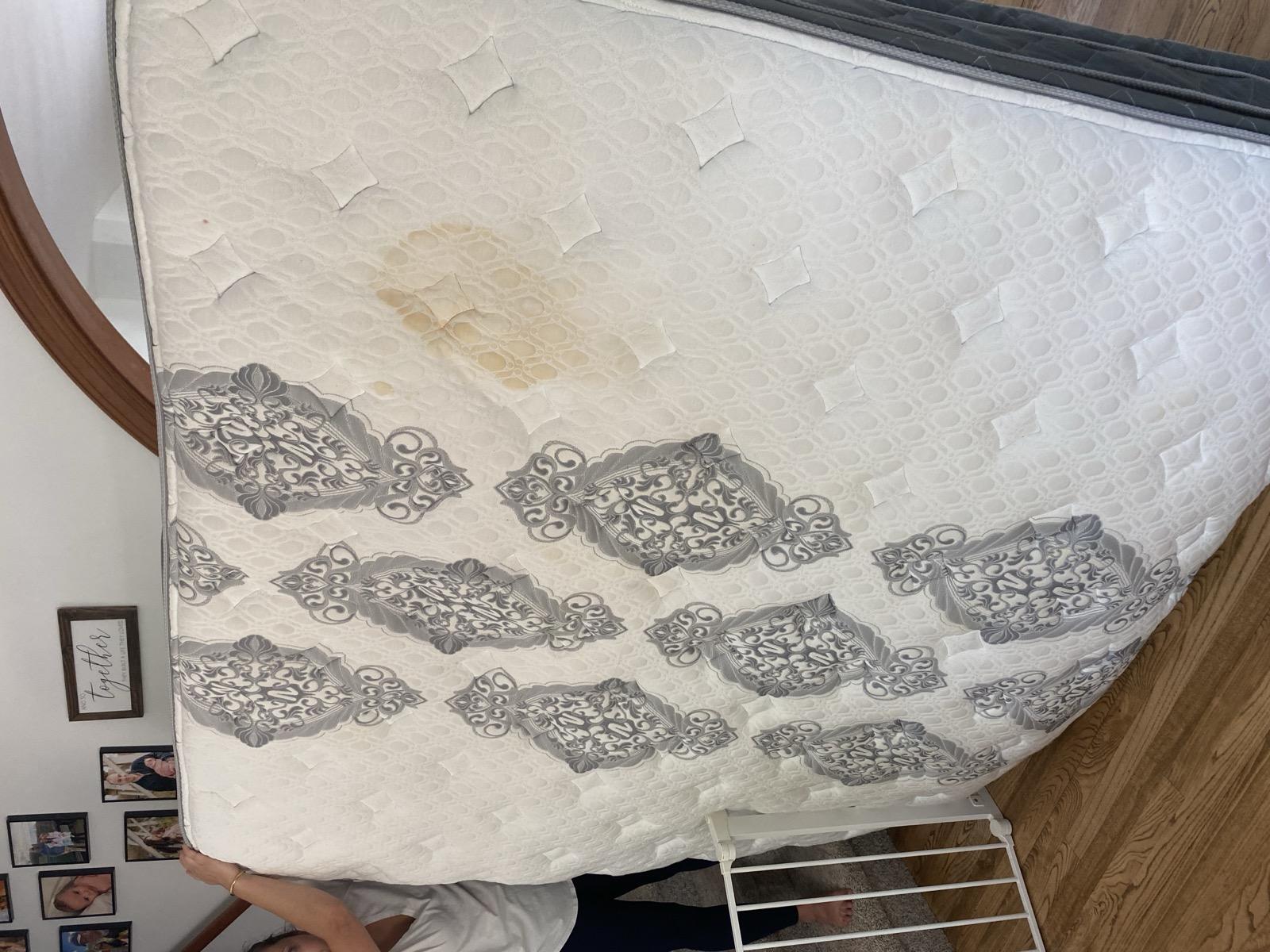
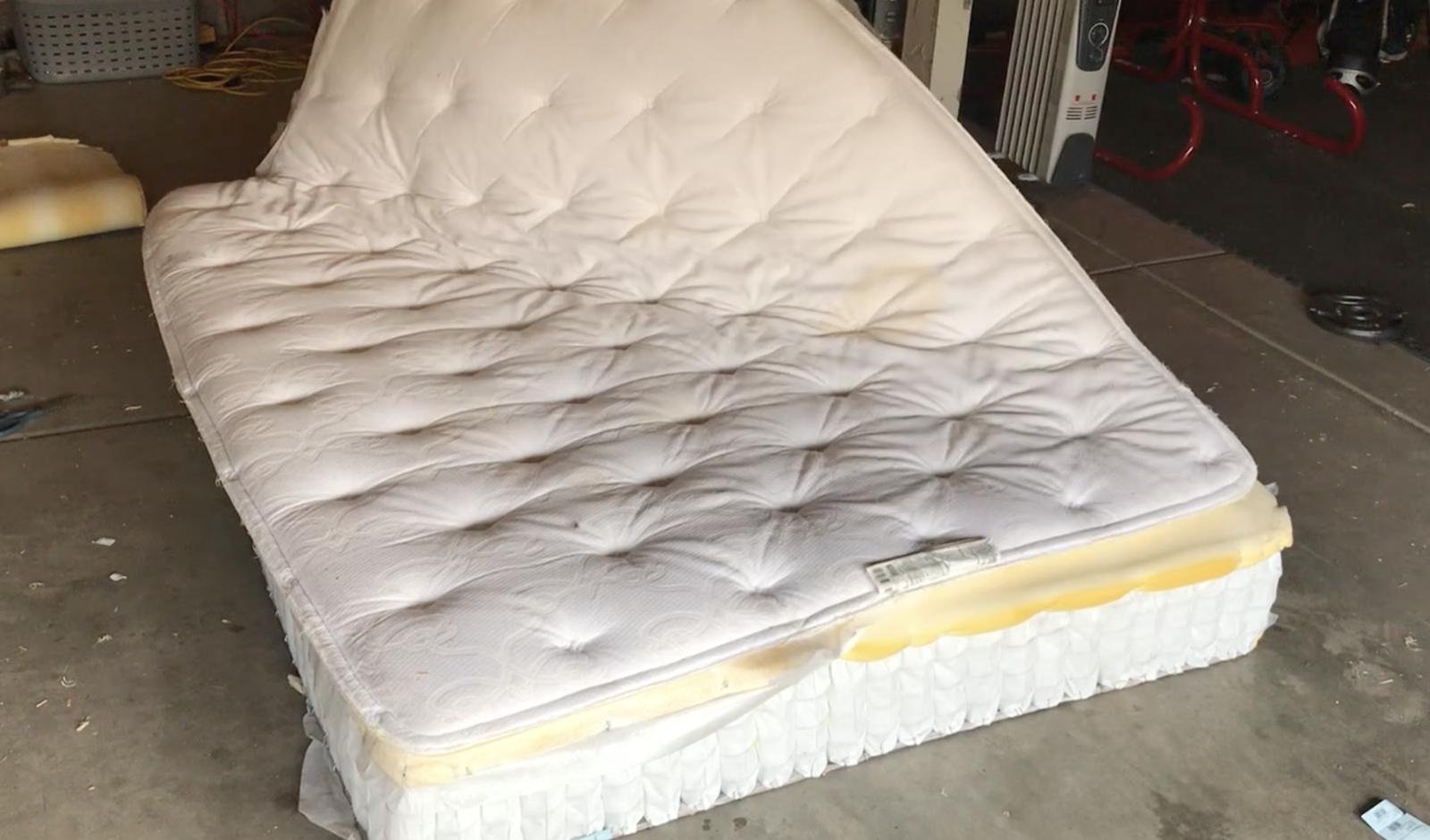
I've processed over 1.15 million mattresses at my recycling facility. A lot of them come in looking fine on top. Then we flip them over.
Black spots along the bottom. Green patches creeping up from the edges. That unmistakable musty smell that hits you before you even see anything. Some mattresses arrive so badly contaminated that my crew has to handle them separately — we can't run them through our normal recycling process because mold spores would spread to everything else in the facility.
Mold can start growing inside a mattress within 24-48 hours of moisture exposure.
You don't need a flood or a burst pipe. The moisture your body produces while you sleep — roughly half a pint every single night — is more than enough if it has nowhere to go.
The numbers are sobering:
- 47% of U.S. homes have dampness or mold issues
- Living in moldy conditions causes a 50% increase in asthma (WHO)
- Your mattress — face pressed against it 7-8 hours nightly — is one of the most vulnerable items in your home
This guide covers how mold gets into mattresses, what it looks like, what it does to your health, which materials resist it, and what you can actually do about it. For chemical off-gassing from mattresses and bed frames, see my guide to toxins hiding in your bedroom.
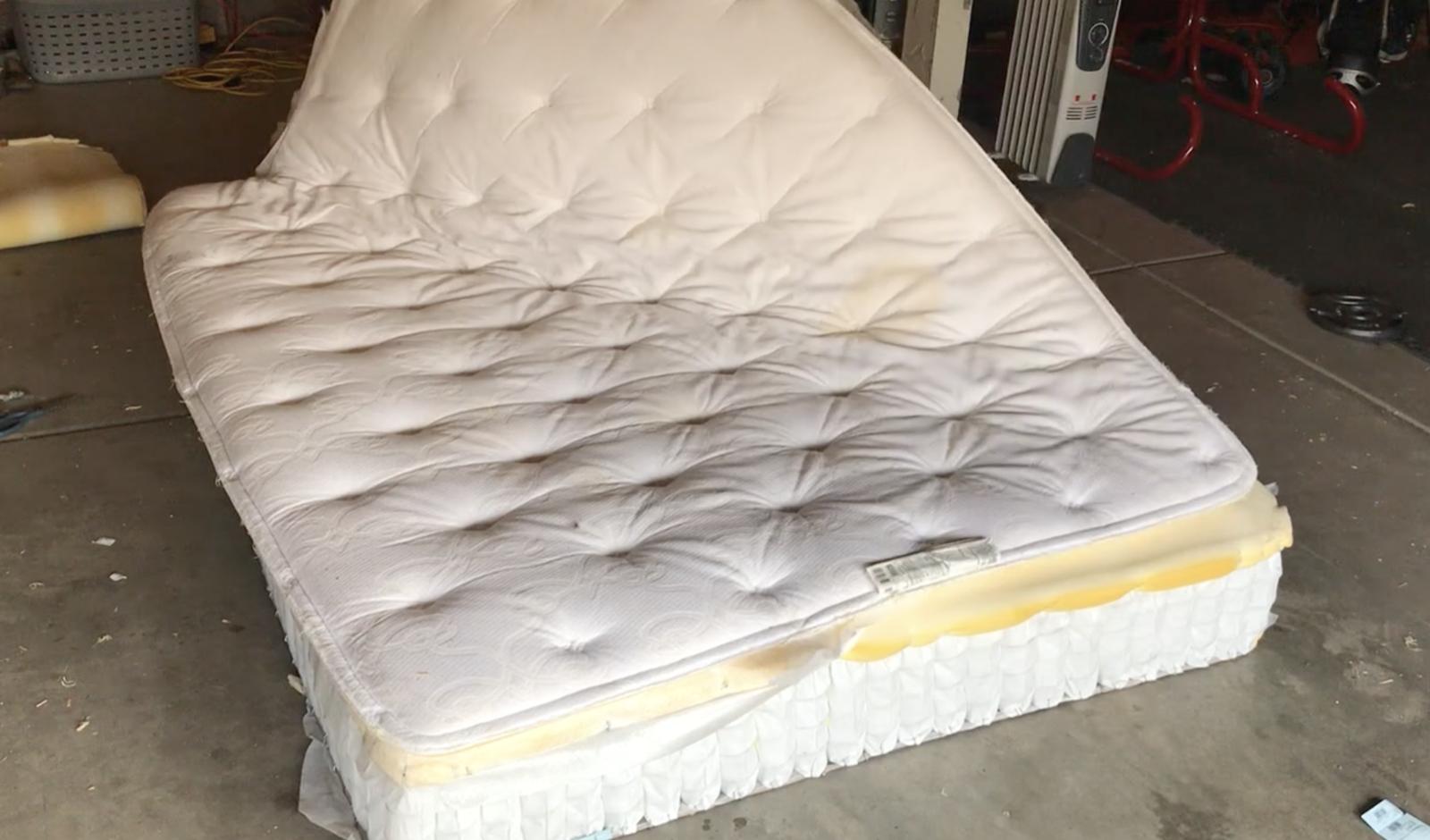
How Mold Gets Into Your Mattress
Mold needs three things to grow. Your mattress provides all three every night:
- Food source: Cotton, wool, foam, dead skin cells, body oils — it's all mold food
- Warmth: Mold thrives at 77-86°F — exactly where your body keeps the mattress surface
- Moisture: This is the variable you can control
Your body is a moisture machine
Every night, you release 200-500 ml of moisture through sweat and breath — roughly a pint of water vapor into your sheets and mattress.
Sleep Foundation research found humidity directly under beds runs 15% higher than ambient bedroom air. You're creating a warm, wet microclimate exactly where mold wants to be.
Higher-risk situations:
- Heavy sweaters or those with night sweats
- Couples sharing a bed (double the moisture)
- Non-breathable mattress protectors that seal moisture in
The mattress-on-floor problem
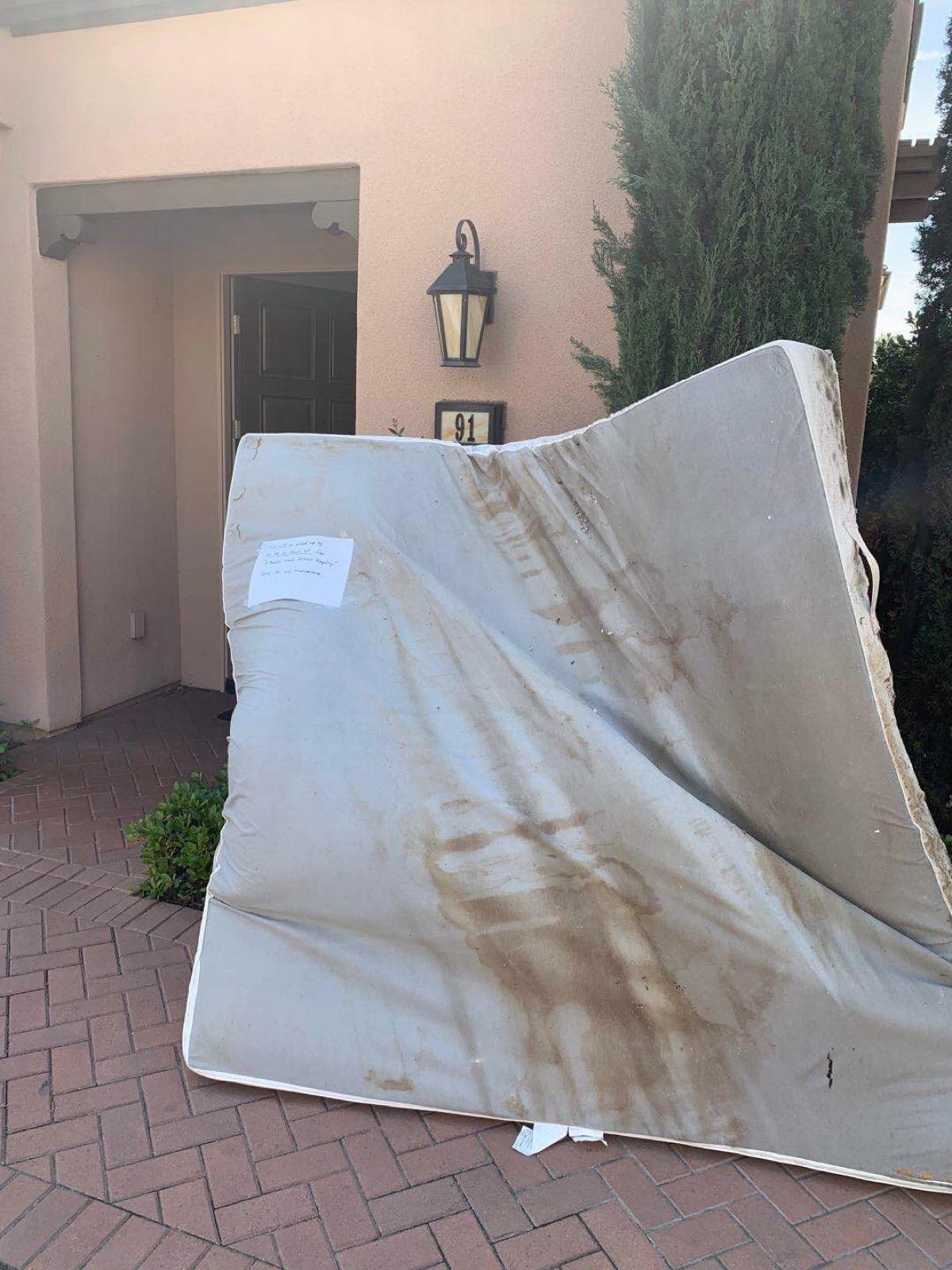
This is one I see constantly. Someone puts their mattress on the floor — hardwood, tile, concrete, carpet — and within months, the bottom is covered in mold.
The physics are simple:
- Your body heats the mattress from above
- The floor stays cool underneath
- Warm, moist air meets cold surface → condensation forms
- With zero airflow, moisture accumulates nightly
Carpet is worst — it traps moisture, traps dust, and blocks air circulation. Mold professionals report seeing growth on floor-placed mattresses within two months on carpet.
If your mattress is on the floor, pick it up and check the bottom right now. Not tomorrow. Today. I've seen mattresses that looked perfect on top with mold covering the entire underside.
Solid platforms and storage beds
Solid platform beds create the same problem as floor placement — no gaps, no airflow, nowhere for moisture to go.
Storage beds are almost as bad. A 2022 study found nearly 30% of storage-bed owners discovered moisture or mold signs within the first year.
Why slatted frames work: Those 2-3 inch gaps allow air circulation under your mattress. Air moves → moisture escapes → mold doesn't grow.
Climate and seasonal patterns
High-risk regions include Houston, Miami, coastal Carolinas, and the Pacific Northwest. But a Quest Diagnostics study found the Southwest had worse mold outcomes than expected — due to HVAC systems, not outdoor humidity.
The universal rule: indoor humidity above 60% creates mold conditions regardless of location. EPA recommends 30-50%.
Seasonal risks:
- Summer: Humidity spikes increase moisture everywhere
- Winter: Cold surfaces create condensation; sealed homes trap moisture from cooking and showering
I see as many moldy mattresses in January as August.
Storage nightmares
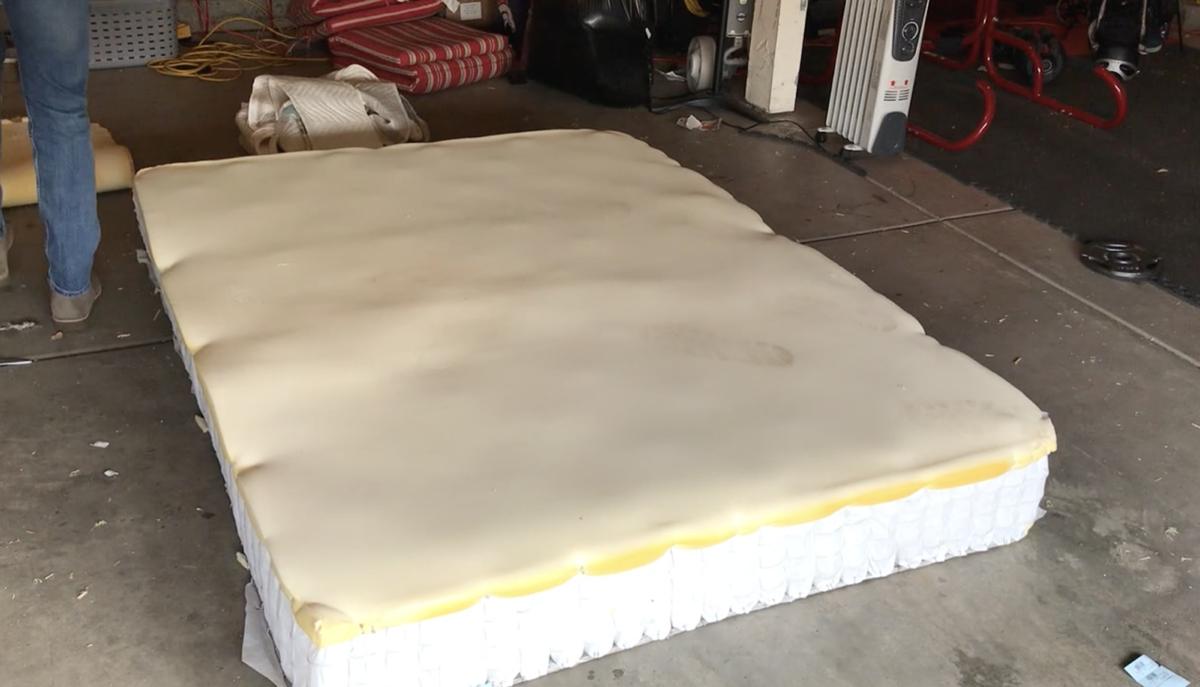
Basements, garages, and storage units are where mattresses go to grow mold. I've seen them come out looking like science experiments.
If you must store a mattress:
- Use climate-controlled space
- Stand it upright if possible
- Use a breathable storage bag — not plastic (traps moisture)
- Unbox bed-in-a-box mattresses within 30 days
What Mattress Mold Looks Like (and Smells Like)
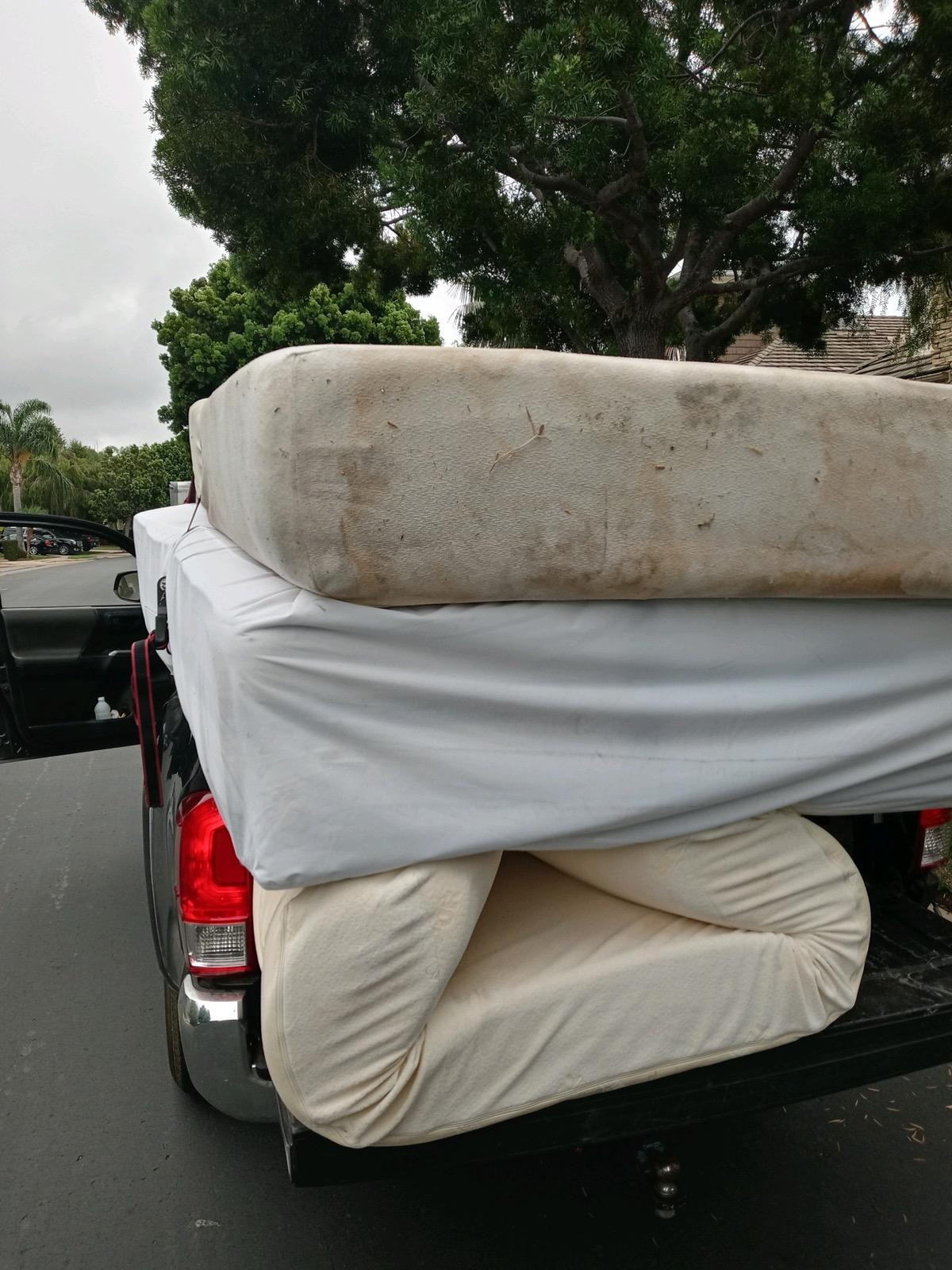
Visual signs
Mold on mattresses shows up as spots, patches, or discoloration. The color doesn't tell you how dangerous it is — that's a common misconception. What you're looking for:
Green or Blue-Green
Usually Aspergillus or Penicillium. The most common mattress molds.
Black Spots or Patches
Could be Cladosporium, Aspergillus niger, or other species. Stachybotrys is actually rare on mattresses.
White or Light Fuzzy
Often early-stage growth or mildew. Easier to catch before it spreads.
Yellow Patches
Can indicate mature Aspergillus versicolor colonies.
Pink or Orange
Typically Aureobasidium species.
Don't panic about "black mold" — Stachybotrys is actually rare on mattresses because it needs continuous saturation. That said, any visible mold is a problem.
Location tells you the cause:
- Bottom surface: Floor placement or solid platform issue
- Edges and corners: Moisture trapped at seams
- Around stains: Spill created moisture source
- Along stitching: Seams collect moisture and debris
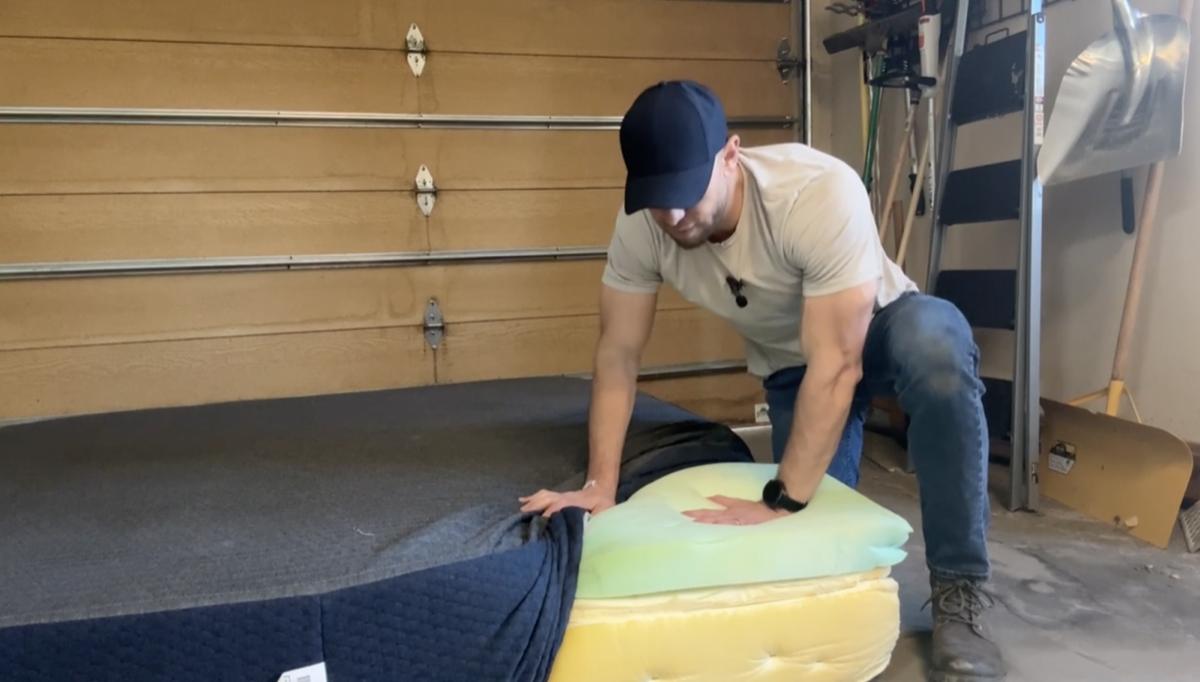
The smell comes first
That musty, earthy smell comes from gases mold produces (MVOCs). The key compound — geosmin — is detectable at incredibly low concentrations.
You can smell mold long before you can see it. If your mattress has a persistent musty smell that doesn't go away with fresh sheets, flip it over and check the bottom immediately.
Hidden mold inside the mattress
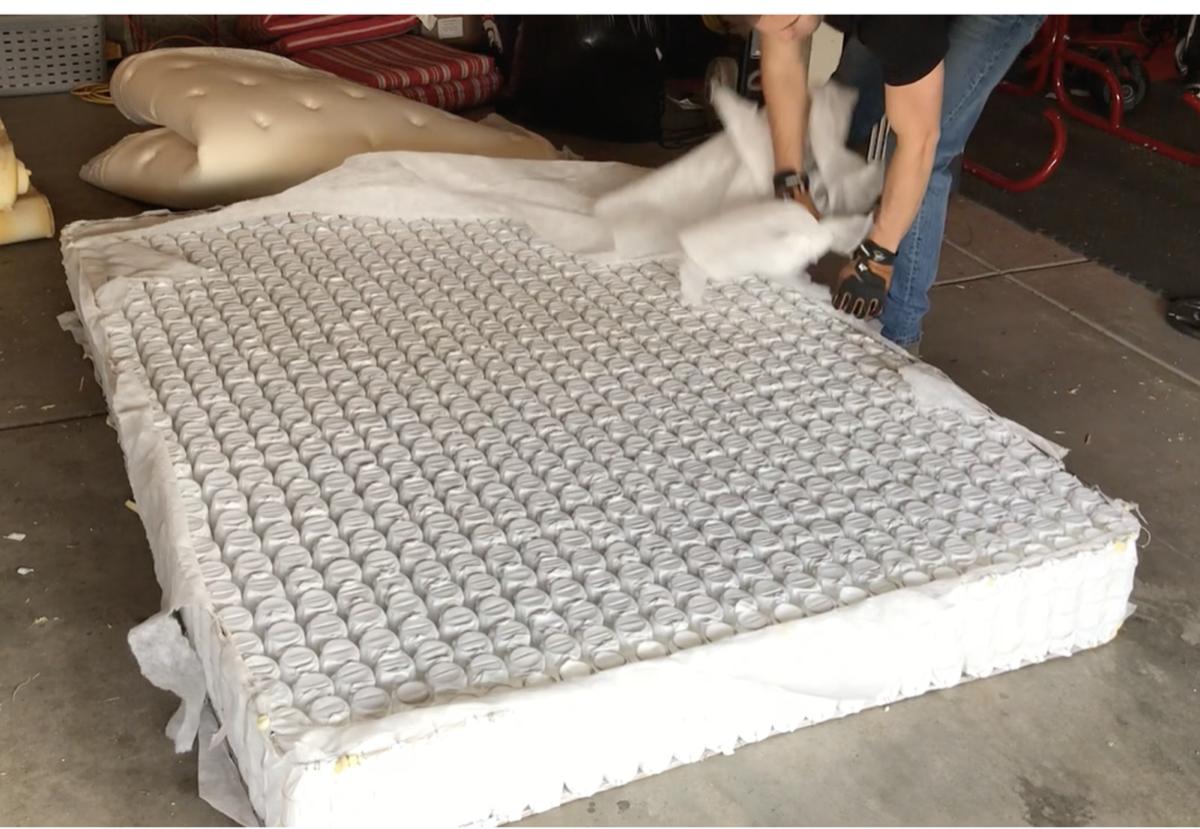
This is more common than surface contamination. The surface gets the most air exposure and dries fastest — if you see mold there, it started deeper inside weeks or months earlier.
Memory foam is the biggest offender. Once mold penetrates the foam layers, it's invisible and impossible to remove.
The test: If you clean the surface and the musty smell returns within days, you have internal contamination. The mattress is done.
Mold and dust mites feed each other
They're a package deal — both thrive above 60% humidity:
- Dust mites feed on mold and spread spores
- 100,000 to 10 million dust mites can inhabit one mattress
- Dust mite allergens found in 80% of U.S. beds
Good news: Keeping humidity below 50% addresses both. Dust mites die within 6-11 days at that level.
What Mattress Mold Does to Your Health
You're not just sleeping near mold — your face is inches from it for hours every night, breathing in spores during your deepest sleep.
Respiratory effects
The research is clear:
- 75% greater risk of respiratory symptoms in moldy conditions (WHO)
- 1.34-1.75x higher asthma-related outcomes
- Linked to cough, wheeze, and asthma exacerbation
I hear from people regularly who can't figure out why their allergies or asthma got worse. They've cleaned their house, changed their air filters, tried different laundry detergent. Nobody thinks to flip their mattress over.
Allergic reactions
Mold allergy affects 3-10% of people and up to 80% of asthmatics.
Symptoms: Stuffy/runny nose, sneezing, itchy eyes, skin rashes, throat irritation.
The dangerous part: repeated exposure causes sensitization. Someone sleeping fine on a moldy mattress for months can develop allergies that progressively worsen as their immune system becomes increasingly reactive.
Hypersensitivity pneumonitis
This is the one that scares me. HP is lung inflammation from repeated mold inhalation.
Symptoms (appearing 4-6 hours after exposure): cough, shortness of breath, fever, fatigue.
A 2025 study found home mold caused 23.4% of HP cases, with bedrooms among the most common sources.
Chronic HP from months or years of sleeping on contaminated bedding can cause irreversible pulmonary fibrosis. Permanent lung scarring. From your mattress.
Mycotoxins
Some molds produce toxins that go beyond allergic reactions:
- Ochratoxin A: Kidney toxin, potential carcinogen (from common mattress molds)
- Aflatoxins: Liver toxins, Group 1 carcinogens
- Trichothecenes: Found in 52% of people exposed to Stachybotrys (vs 4% unexposed)
Key context: Significant mycotoxin production requires sustained high moisture. Normal sweat may not reach these levels — but a mattress that got truly wet (spill, leak, flood) and wasn't dried quickly? That's real risk.
Children are more vulnerable
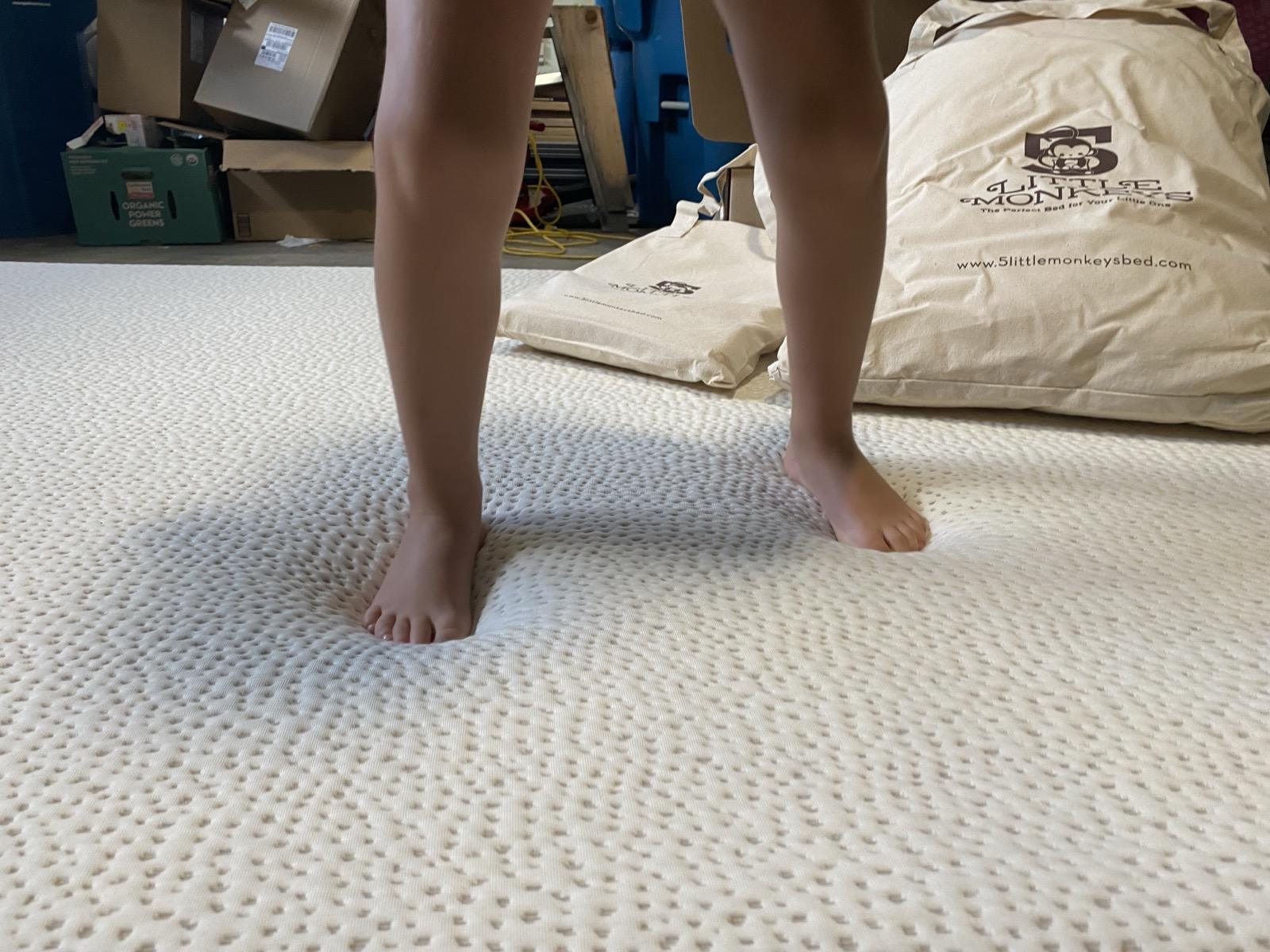
I see kids' mattresses with mold that went unnoticed for months or years. This matters because:
- Kids breathe 2-3x more air per pound than adults
- They sleep 10-14 hours daily
- Their lungs are still developing
The research is alarming:
- Infants in moldy homes: 3x more likely to develop asthma by age 7
- Early mold exposure: 7x more likely to have asthma markers
- Swedish study: early exposure linked to asthma persisting through age 16
For parents: Check your kids' mattresses regularly. Flip them. Smell them. Kids are less likely to notice or report a musty smell. And a child sleeping on a moldy mattress for a year while their lungs are still developing is not something you want to discover after the fact.
The SIDS connection
The 1990s "toxic gas hypothesis" was largely refuted. But research did find used mattresses associated with higher SIDS risk, possibly from contamination.
Pediatrician recommendations stand:
- Use new mattresses for infants
- Always use waterproof covers on crib mattresses
- Don't pass down used crib mattresses between families
Warning signs to watch for
If you're experiencing any of these, check your mattress for mold before spending money on doctors or allergy medications:
Symptoms That May Indicate Mattress Mold
- Morning congestion that clears up during the day — especially if it gets better once you leave the bedroom
- Nighttime allergies or breathing problems that worsen right around bedtime or upon waking
- Symptoms that improve when you sleep somewhere else — a hotel, a guest room, a different bed (this is the biggest clue)
- Persistent sinus infections that keep coming back despite treatment
- Unexplained skin rashes that appear overnight and fade during the day
- A musty smell from bedding that doesn't go away no matter how often you wash the sheets
Which Mattress Materials Resist Mold (and Which Invite It)
Not all mattresses are equally vulnerable. After tearing open hundreds of thousands of mattresses, I can tell you the materials inside make a huge difference.
Natural latex: the most mold-resistant material
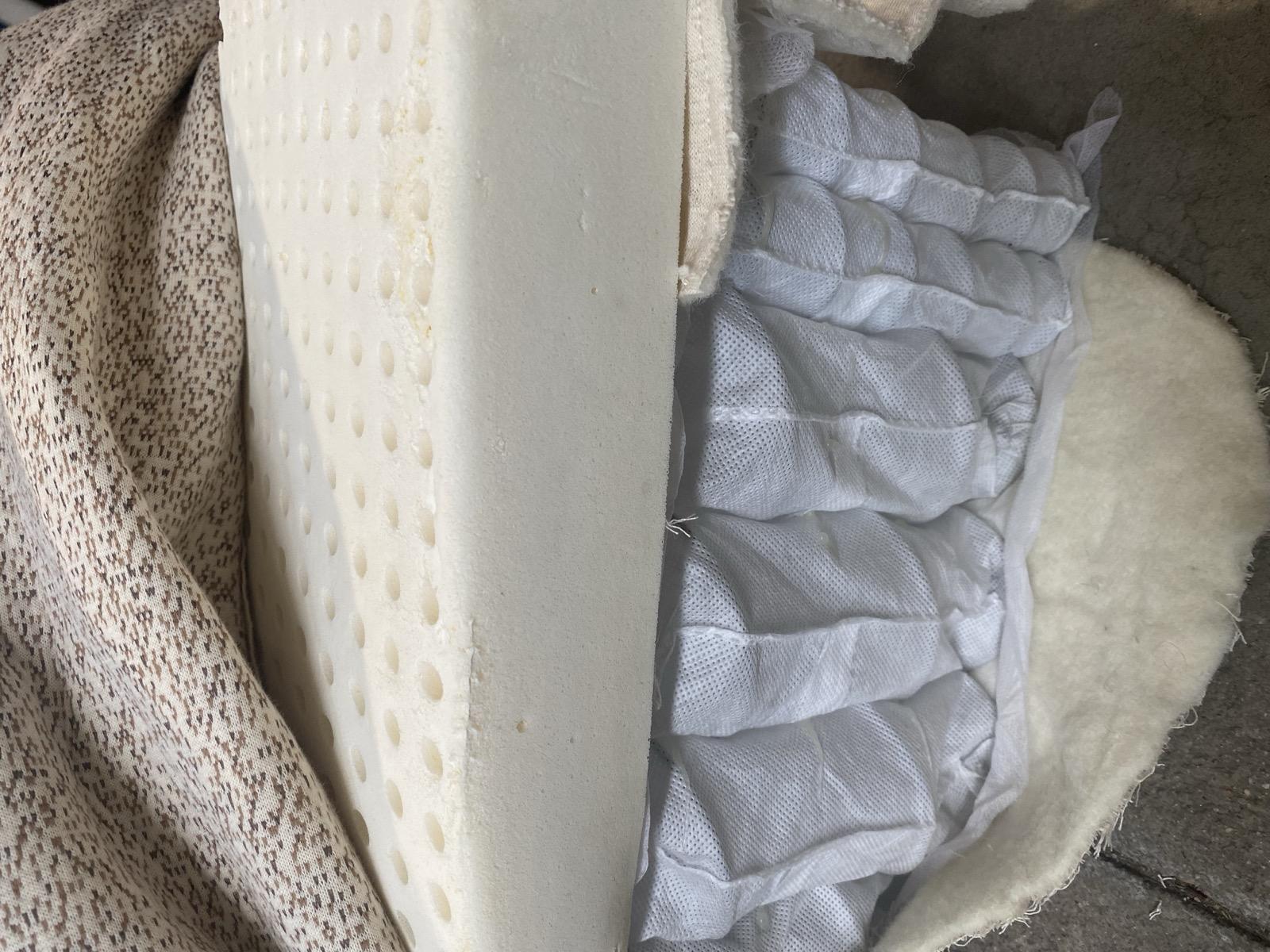
Natural latex stands alone as genuinely mold-resistant:
- Inherent antimicrobial compounds from rubber tree sap
- Open-cell structure promotes airflow
- Pin-core holes enhance ventilation
Both Dunlop and Talalay processing preserve these properties. Of every material I've worked with, natural latex arrives with mold contamination least often by a significant margin.
Memory foam: the highest risk
Mold remediation professionals report that 9 out of 10 mold complaints involve memory foam beds. That doesn't surprise me at all.
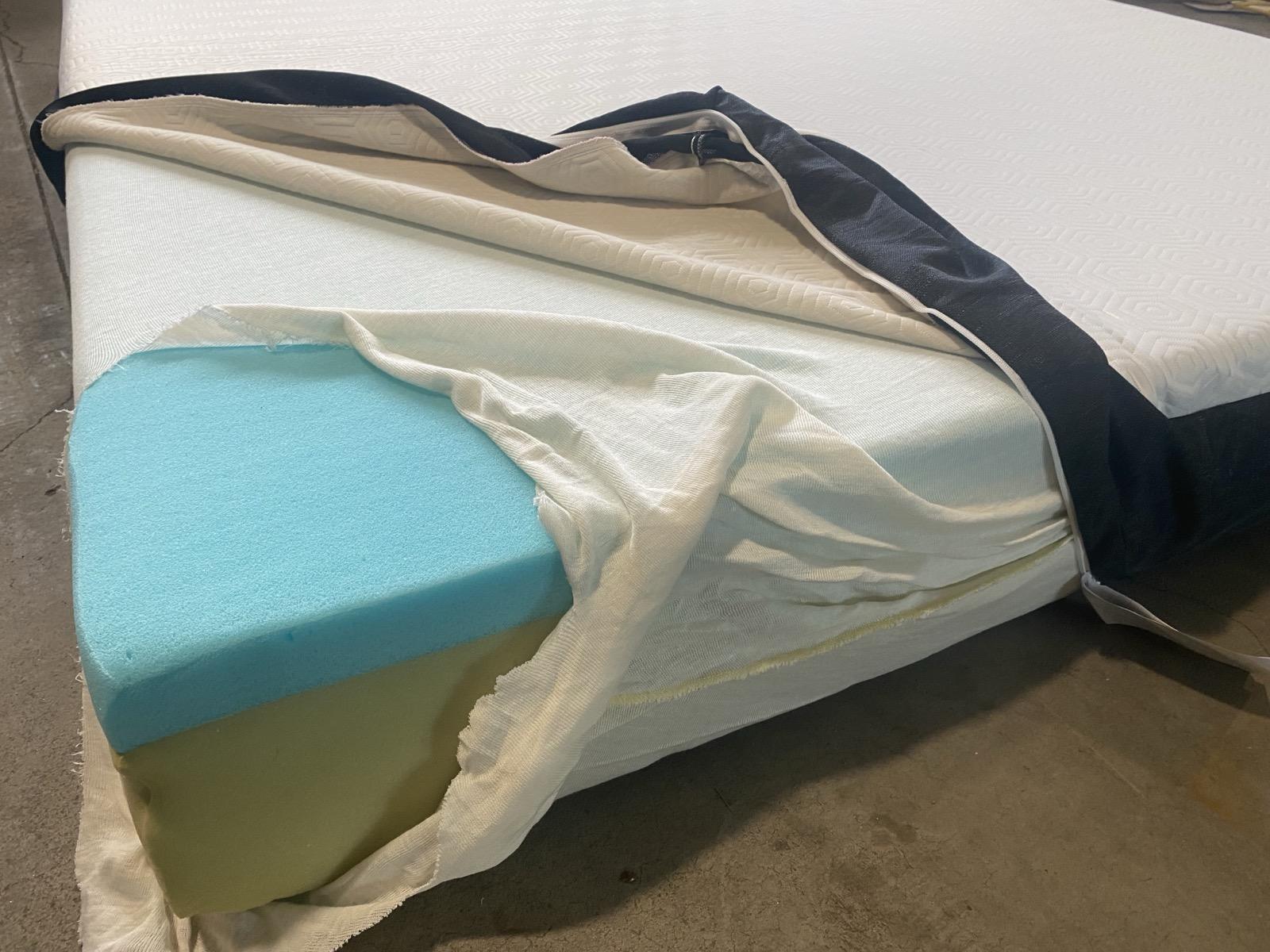
The closed-cell structure that traps heat also traps moisture. Half a pint of nightly moisture has nowhere to go — the foam absorbs it and dries incredibly slowly.
Once truly wet, memory foam is almost impossible to dry completely. I've seen mattresses where the fabric looked fine but the foam inside was black with mold.
If you own memory foam, prevention is everything:
- Use only on slatted foundation
- Use breathable waterproof protector
- Keep bedroom humidity below 50%
Innerspring: natural ventilation built in
Air moves freely between coils — internal ventilation foam can't match. I see far fewer mold issues on innerspring than memory foam.
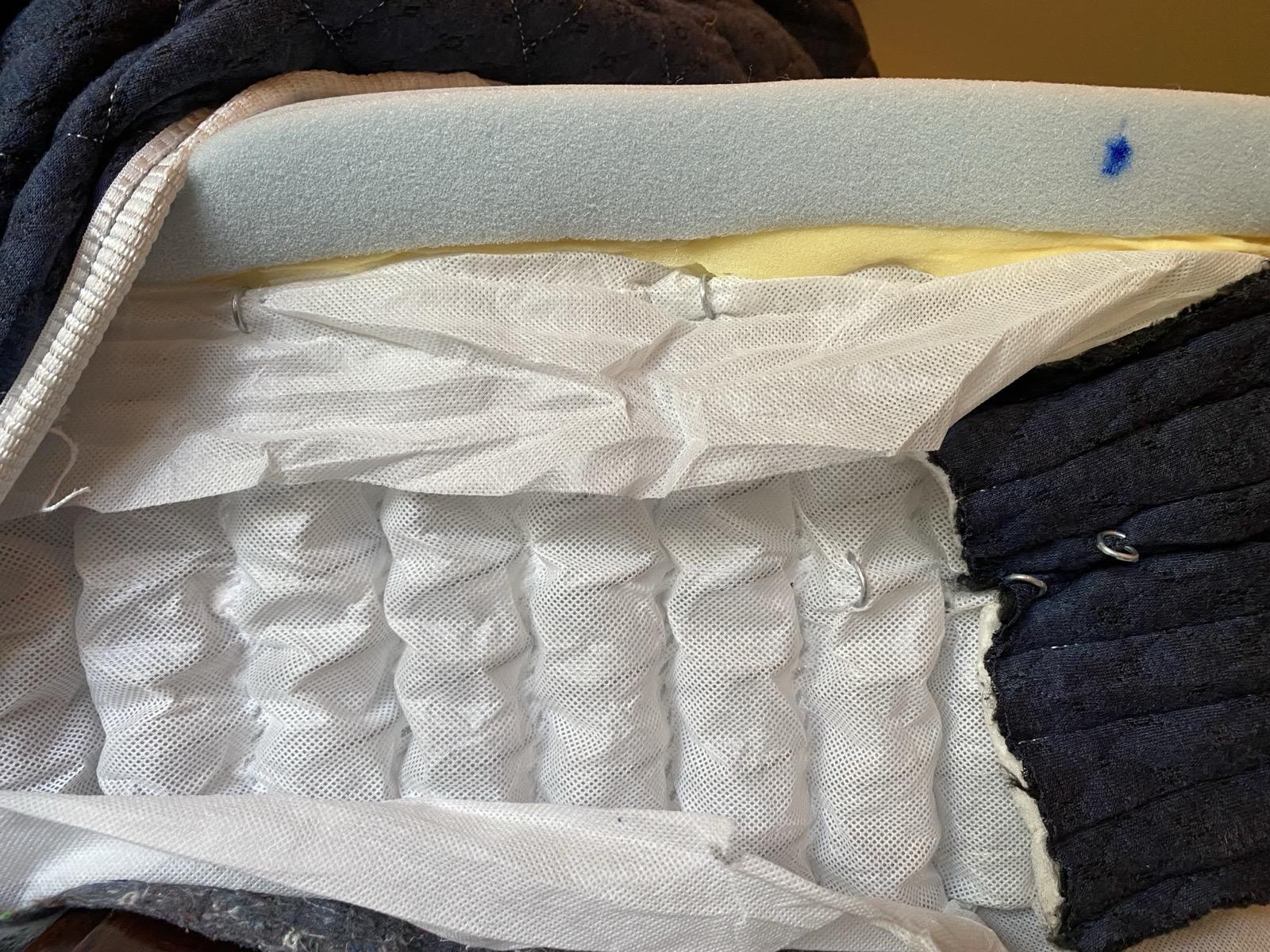
Caveat: The comfort layers on top can still trap moisture. Coils help below, but the top few inches need attention.
Hybrid: the middle ground
Coil base helps dissipate moisture from foam comfort layers — better than all-foam, but those top layers still carry moisture-trapping risk.
Wool: nature's moisture manager
Wool absorbs up to 30% of its weight in moisture without feeling damp, then releases it to air. Lanolin provides natural antimicrobial effects. Wool doesn't stay wet long enough for mold to colonize.
Organic cotton: breathable but not antimicrobial
Cotton breathes well and wicks moisture — but it's mold food when it stays damp. Needs adequate airflow to stay dry.
Mattress covers matter more than you think
Breathable waterproof protectors (TPU membrane) are the single best accessory — they block liquid while letting moisture vapor escape.
Avoid vinyl and solid plastic protectors. They trap moisture against the mattress and actually cause mold. I've seen this many times.
For maximum protection: six-sided zippered encasement covering all surfaces.
| Material | Mold Resistance | Why |
|---|---|---|
| Natural Latex | Excellent | Antimicrobial properties, open-cell structure, pin-core ventilation |
| Innerspring | Good | Air circulates between coils; comfort layers still at risk |
| Wool | Good | Absorbs and releases moisture, natural lanolin is antimicrobial |
| Hybrid | Moderate | Coil base helps, but foam comfort layers trap moisture |
| Organic Cotton | Moderate | Breathable but no antimicrobial properties |
| Memory Foam | Poor | Closed-cell, traps heat and moisture, dries slowly |
Your Bed Frame Directly Affects Mold Risk
See my full bed frame construction guide for details. Quick summary for mold prevention:
Best: slatted platform beds
2-3 inch gaps between slats = continuous air circulation = moisture evaporates instead of accumulating. This is the gold standard.

Acceptable: traditional box springs
Internal coil/grid structure provides moderate airflow — better than solid surfaces.
Risky: solid platforms
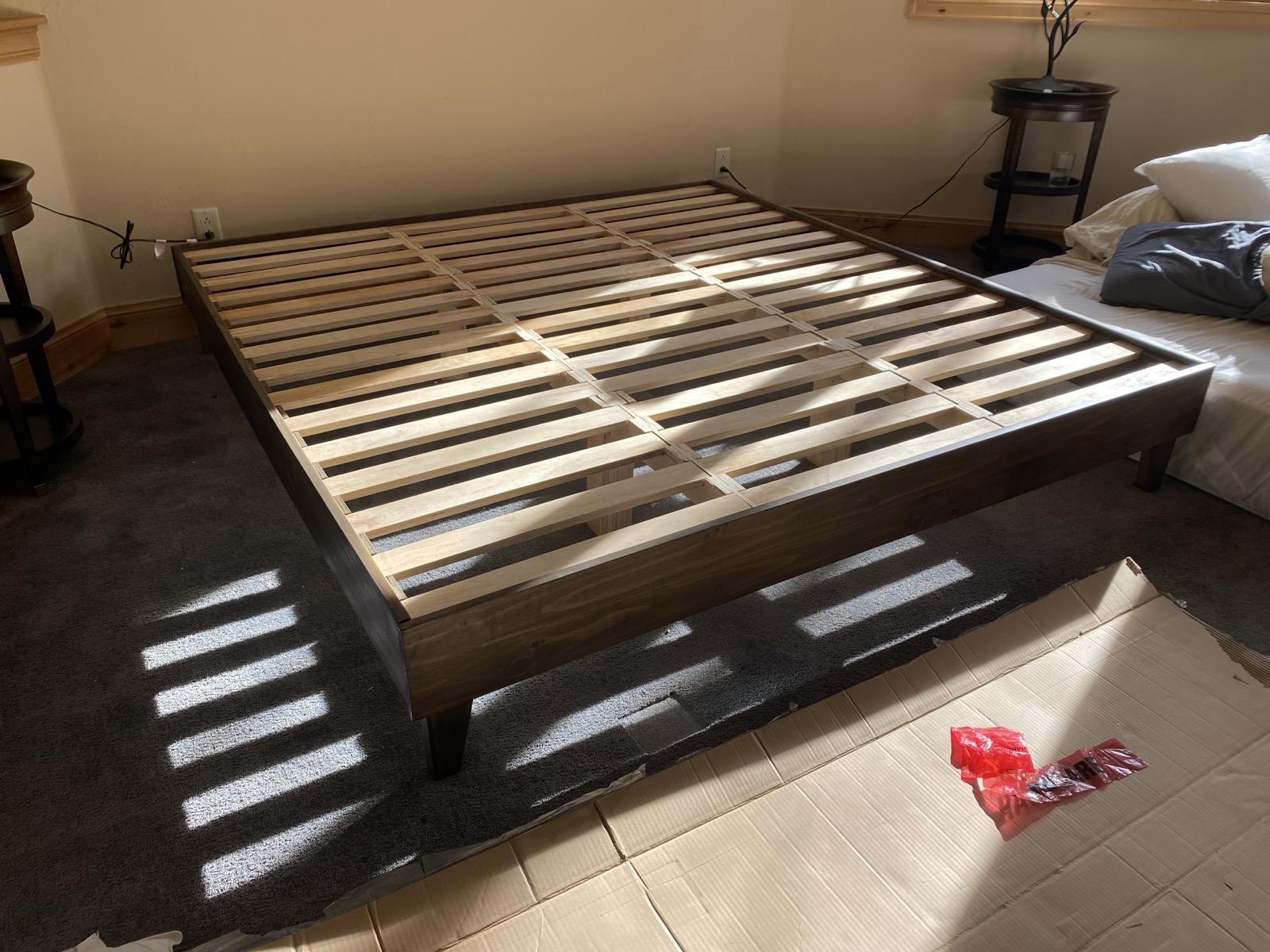
No ventilation gaps = same condensation problem as floor placement.
Already own a solid platform? Drill ventilation holes or add a 3D mesh spacer (like Hypervent underlays) to create an air gap.
Worst: floor placement
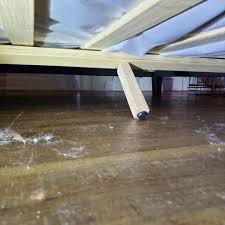
Mattresses on floors grow mold. Check the bottom today. Get a bed frame.
Other bed types
- Storage beds: ~30% of owners report moisture/mold within a year. Don't pack drawers full — leave space for air
- Adjustable bases: Generally fine — open slatted/mesh platforms allow airflow
- Bunk beds: Top bunks great; bottom bunks higher risk in humid rooms (cooler zone = more condensation)
How to Prevent Mattress Mold

Prevention is dramatically easier than remediation. Focus on moisture control.
Control humidity (the #1 thing)
Buy a $10-15 hygrometer. Keep bedroom humidity at 30-50%. If consistently above 50%, get a dehumidifier.
Use a breathable waterproof protector
TPU membrane blocks liquid, lets vapor escape. Replace when liquid starts seeping through.
Don't make the bed immediately
Pull covers back for 20-30 minutes after waking. Your body left half a pint of moisture in those sheets — let it evaporate before trapping it under covers.
Choose the right bed frame
Slatted platform with 2-3 inch gaps. Not solid. Not floor. Airflow is not optional.
Wash bedding correctly
- 140°F (60°C) kills mold spores (lower temps just redistribute them)
- Sheets/pillowcases: weekly
- Mattress protector: monthly
Air out the mattress
Every few months: strip bedding, stand mattress on its side for a few hours. Sunlight kills surface spores. Open windows.
Rotate the mattress
180 degrees every 3-6 months to change moisture patterns. Flip if your mattress allows it.
Address room moisture
- Check for window/wall leaks
- Ensure bathroom fans vent outside (not attic)
- Don't dry laundry in bedroom
- Window condensation = humidity too high
Mold Prevention Checklist
- Buy a hygrometer and keep bedroom humidity at 30-50%
- Use a slatted bed frame with 2-3 inch gaps
- Use a breathable waterproof mattress protector (TPU, not vinyl)
- Pull covers back for 20-30 minutes each morning
- Wash sheets weekly at 140°F (60°C)
- Air out the mattress every few months
- Rotate the mattress every 3-6 months
- Never place mattress directly on the floor
What to Do If You Find Mold

Most significant mold cases I see should have been thrown out months earlier. But cleaning can work in limited situations.
When cleaning might work
Surface mold only: small spots under 10-12 inches, recently developed, no musty smell from inside the mattress.
Cleaning solutions (ranked)
- White vinegar (undiluted) — Kills ~82% of household molds. Spray, sit 1 hour, blot dry. My first recommendation.
- Hydrogen peroxide (3%) — Spray, 10-15 minutes, blot. Surface only. May lighten fabric.
- Isopropyl alcohol (70%+) — Good for fabric. Evaporates fast so limited contact time.
- Baking soda — Absorbs moisture/odors. Use after vinegar treatment.
- Tea tree oil — 1-2 tsp per cup water. Effective but expensive for large areas.
Don't use bleach. EPA specifically doesn't recommend it. On porous materials, it lightens the stain but leaves roots intact — mold grows right back. Can trigger mycotoxin release and damages mattress fibers.
When to throw it out
Replace the mattress if any of these apply:
- Mold patches larger than 10-12 inches in diameter
- Growth on both top and bottom surfaces
- Mold returns within one week of cleaning
- Musty odor persists after surface treatment
- Visible mold has reached the foam core or interior layers
- The mattress got truly saturated (flood, major spill left unaddressed)
- The mattress is older than 7 years — at that point, replacement makes more sense than remediation regardless
Warranties don't cover mold
Save yourself the phone call — Tempur-Pedic, Serta, Casper, Sealy, Purple all exclude mold. So does homeowners insurance (unless from a covered event like burst pipe). Gradual humidity buildup doesn't qualify.
Disposing of a moldy mattress
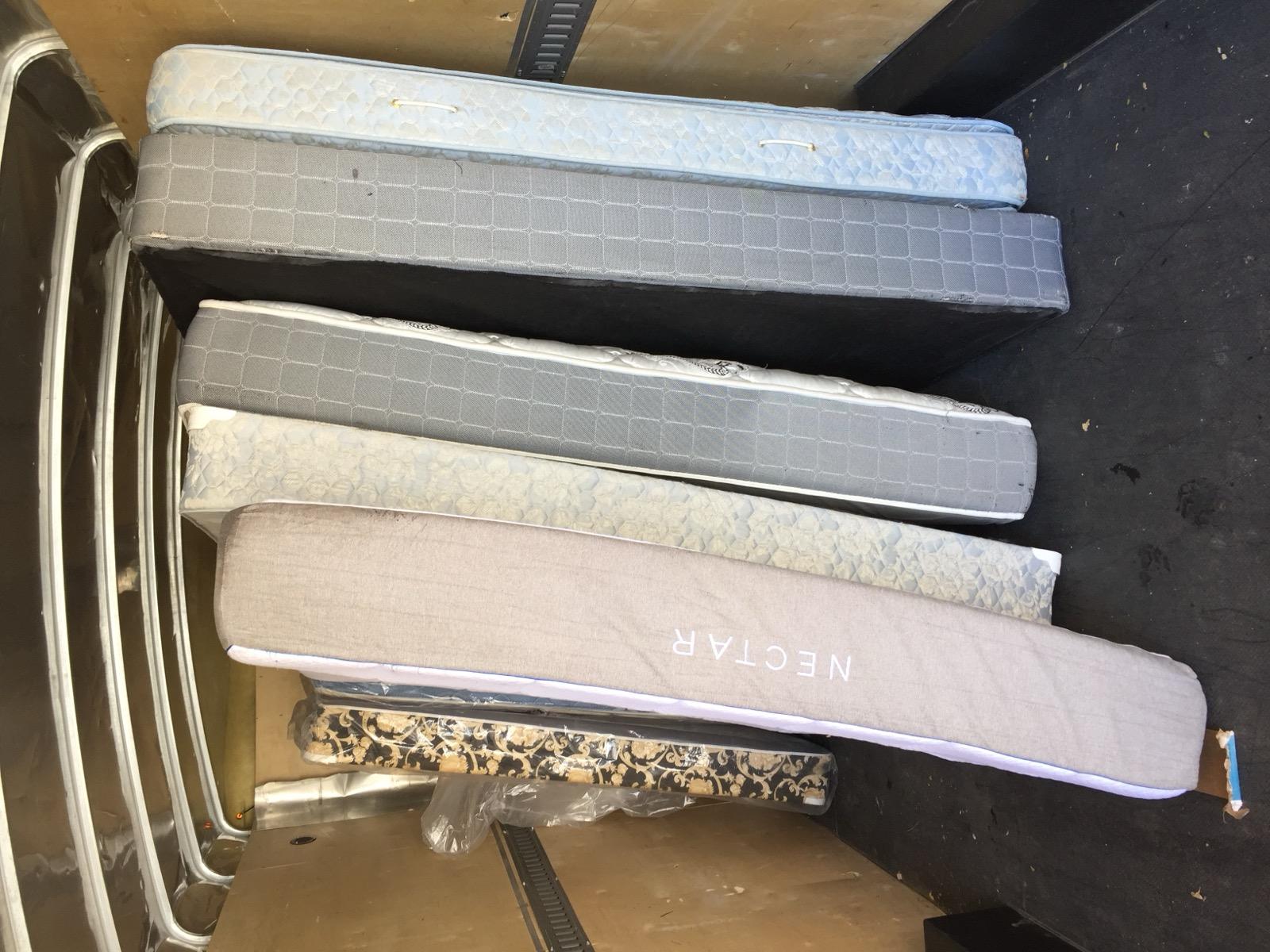
Don't just drag it to the curb. Wrap in plastic sheeting, seal all edges with tape — uncovered moldy mattresses spread spores everywhere they touch.
Moldy mattresses cannot be recycled. We have to handle them as waste — they contaminate equipment and pose risks to workers. Prevention matters for disposal too.
The Bottom Line

Mattress mold thrives on neglected basics: uncontrolled humidity, no airflow underneath, and moisture accumulation. The 24-48 hour window for drying means prompt attention determines whether you end up with a problem.
After thousands of moldy mattresses, here's what I tell everyone:
The Essentials
- Buy a hygrometer ($10-15) — keep humidity at 30-50%
- Use a slatted bed frame — air needs to move underneath
- Get a breathable protector — TPU membrane, not vinyl
- Pull covers back 20-30 min every morning
- Check the bottom every few months — flip it, smell it
For more on your bedroom environment, see my guides to bedroom toxins, bed frame toxicity, bed frame construction, and mattress materials.
Mold doesn't belong in your bed. With a few simple habits, it doesn't have to be.