Birch Natural Mattress — 6 Years Old

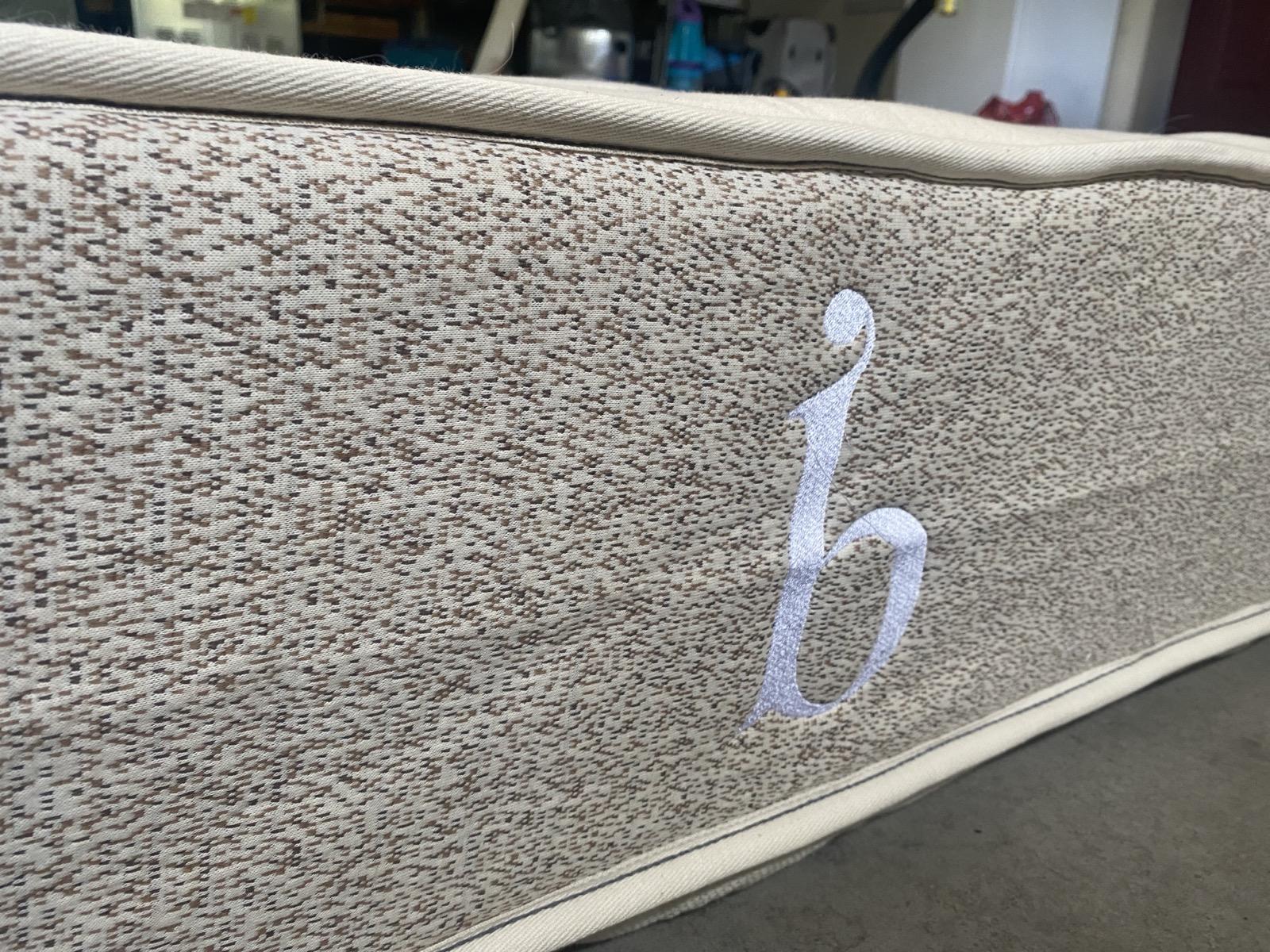
About the Birch Natural Mattress
Birch is Helix's organic mattress line. While Helix focuses on personalized foam hybrids, Birch goes in a completely different direction — natural latex, organic cotton, organic wool, and real certifications. The Birch Natural launched in 2019 and has become one of the more popular organic mattresses in the bed-in-a-box space.
At around $1,500-2,000 for a Queen, Birch is significantly cheaper than traditional organic mattress brands like Avocado or Naturepedic. The question is whether it's actually using organic materials or just marketing speak. I cut one open to find out.
The Certifications
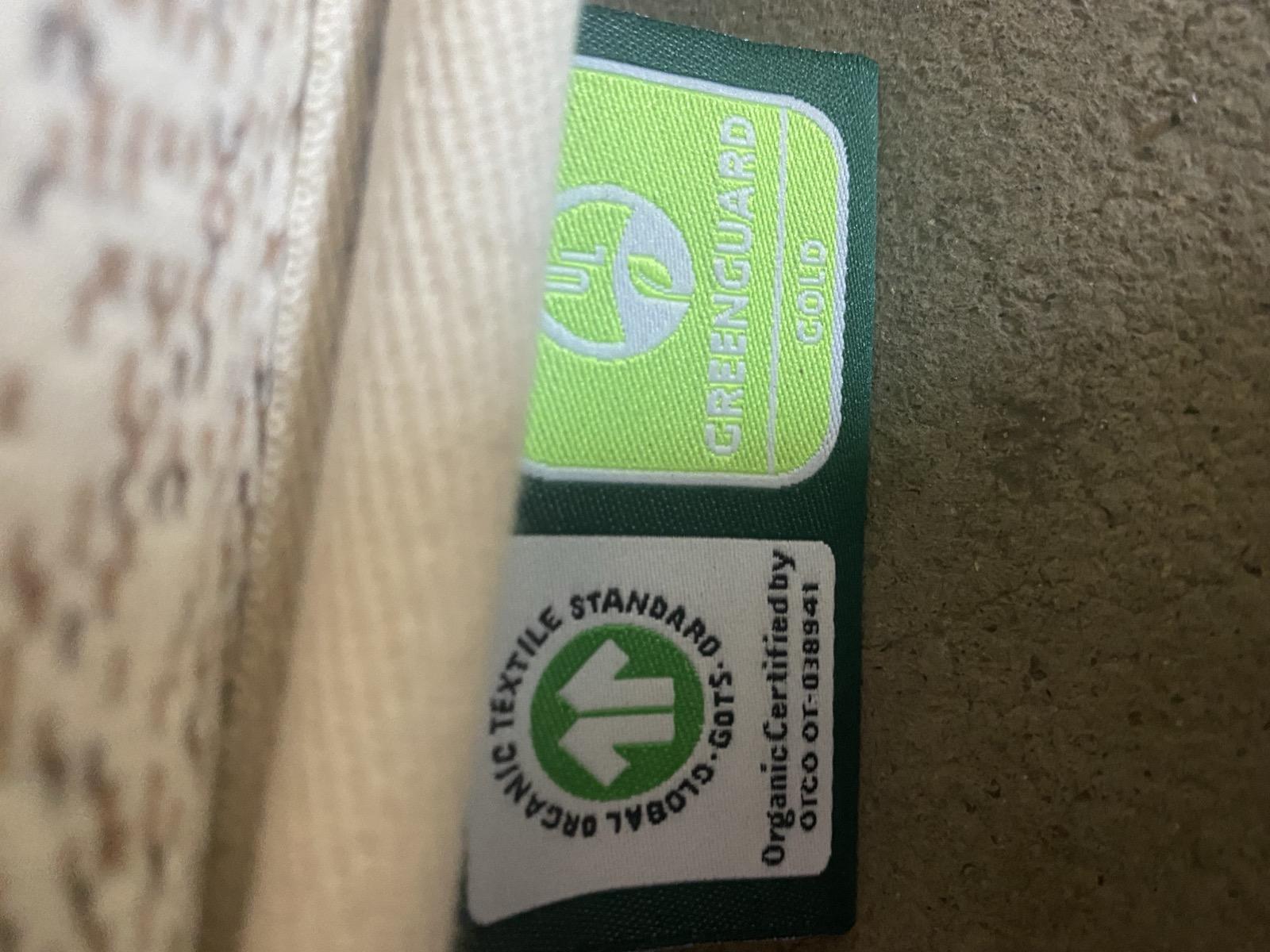
The certification tags on the Birch mattress — multiple organic certifications
Before I even cut this mattress open, I wanted to check the law tags and certifications. A lot of mattresses claim to be "organic" or "natural" without any real certification behind it. Birch actually has the certifications to back up their claims:
The certifications are legitimate. GOTS and GOLS are serious certifications that require third-party testing and annual audits. You can't just slap these labels on a mattress — the materials actually have to meet the standards. This gives me confidence that what Birch claims is inside the mattress is actually there.
The Cover
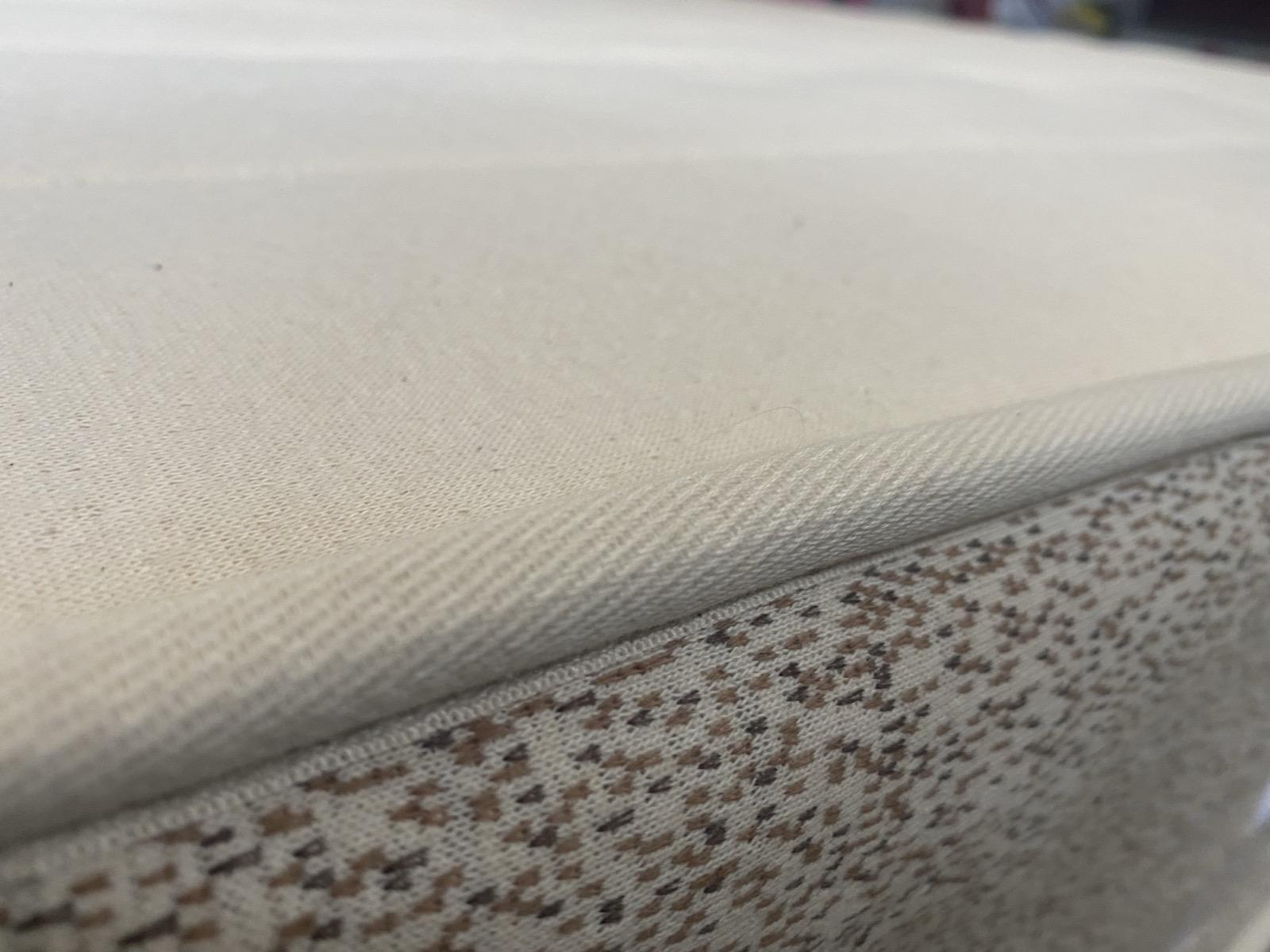
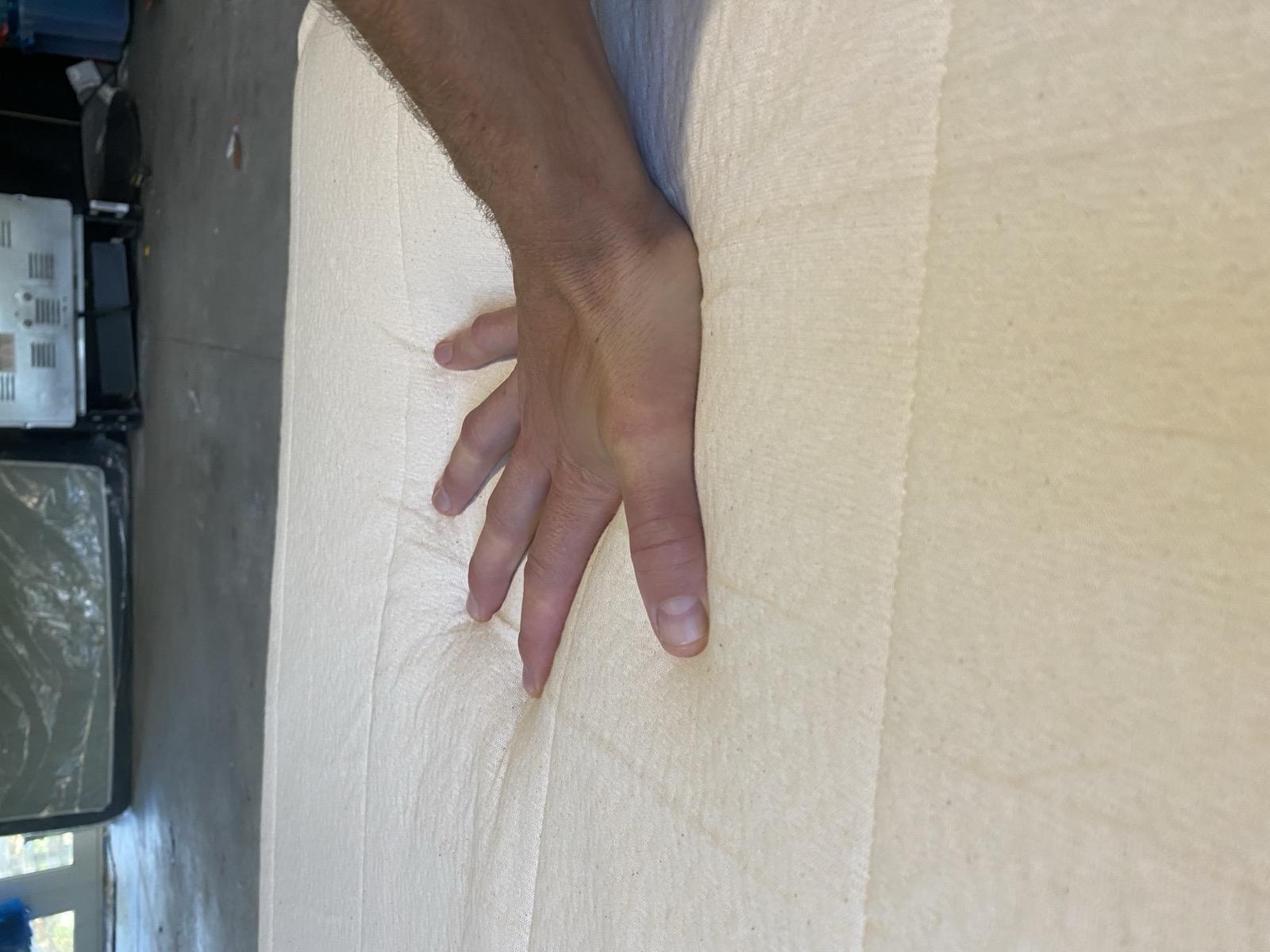
The Birch cover is made from GOTS-certified organic cotton. It's tufted — those little buttons and stitching you see going through the mattress — which helps keep all the layers in place without using adhesives.
The cover feels like quality cotton. It's not the thin, stretchy knit fabric you see on most bed-in-a-box mattresses. The tufting is well-done and goes all the way through to the coils, which is traditional mattress construction. It feels more like a traditional organic mattress than a typical boxed mattress.
How It Feels
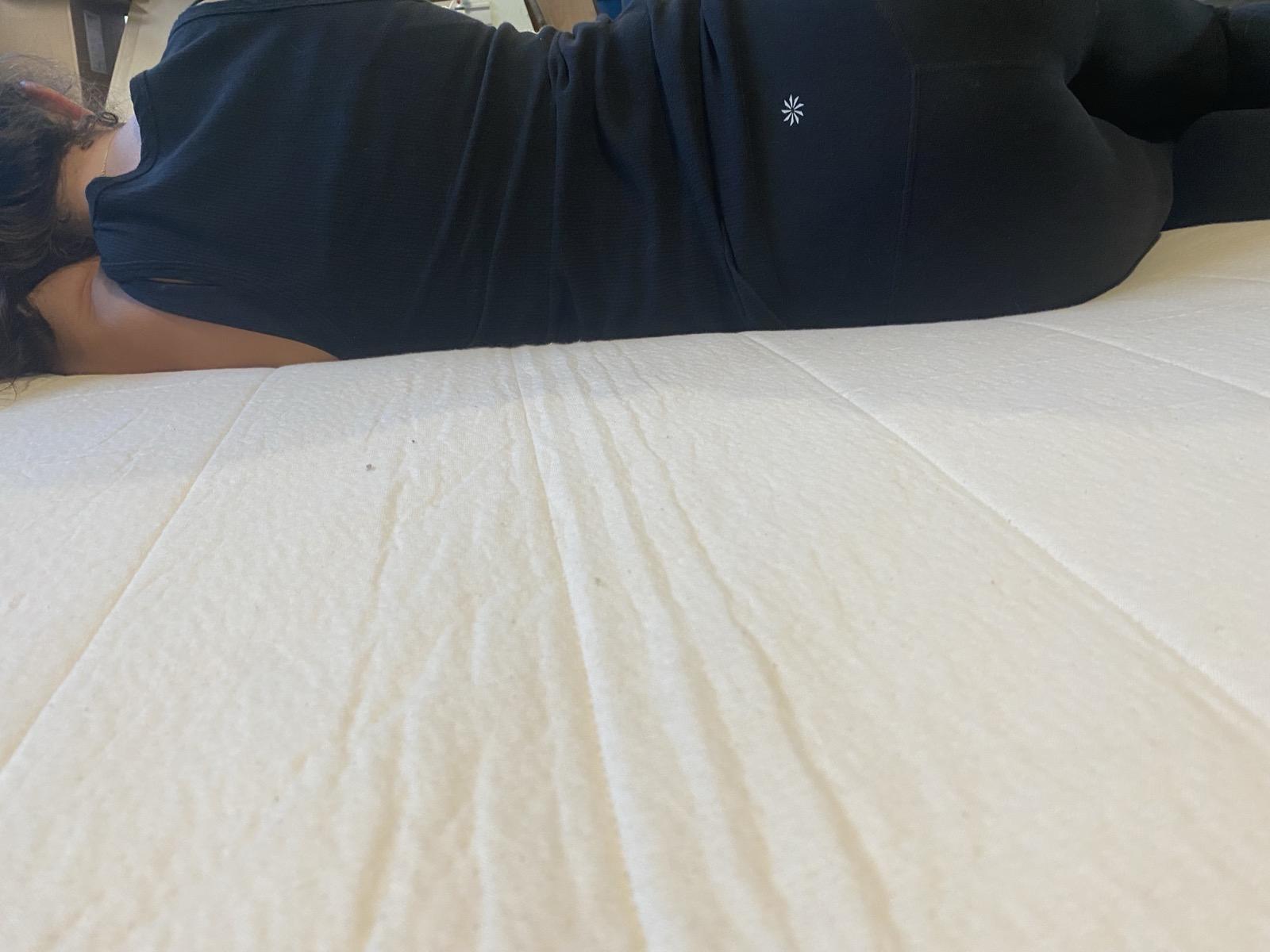
Testing side sleeping — checking shoulder and hip support
Latex feels different from memory foam. It doesn't give you that slow, sinking "hug" feeling. Instead, latex is bouncy and responsive — it pushes back against you. Some people love this, some people prefer the foam feel.
The Birch feels medium-firm — around a 7 out of 10 on the firmness scale. There's enough cushioning for side sleeping, but it's not a plush mattress. The latex layer provides pressure relief without that stuck-in-the-bed feeling. My wife found it comfortable for side sleeping, with good support under the shoulders and hips. The downside: if you're used to memory foam's slow hug, latex feels very different — almost bouncy. Some people love it, some hate it. Try before you buy if possible.
Inside: The Layer Construction
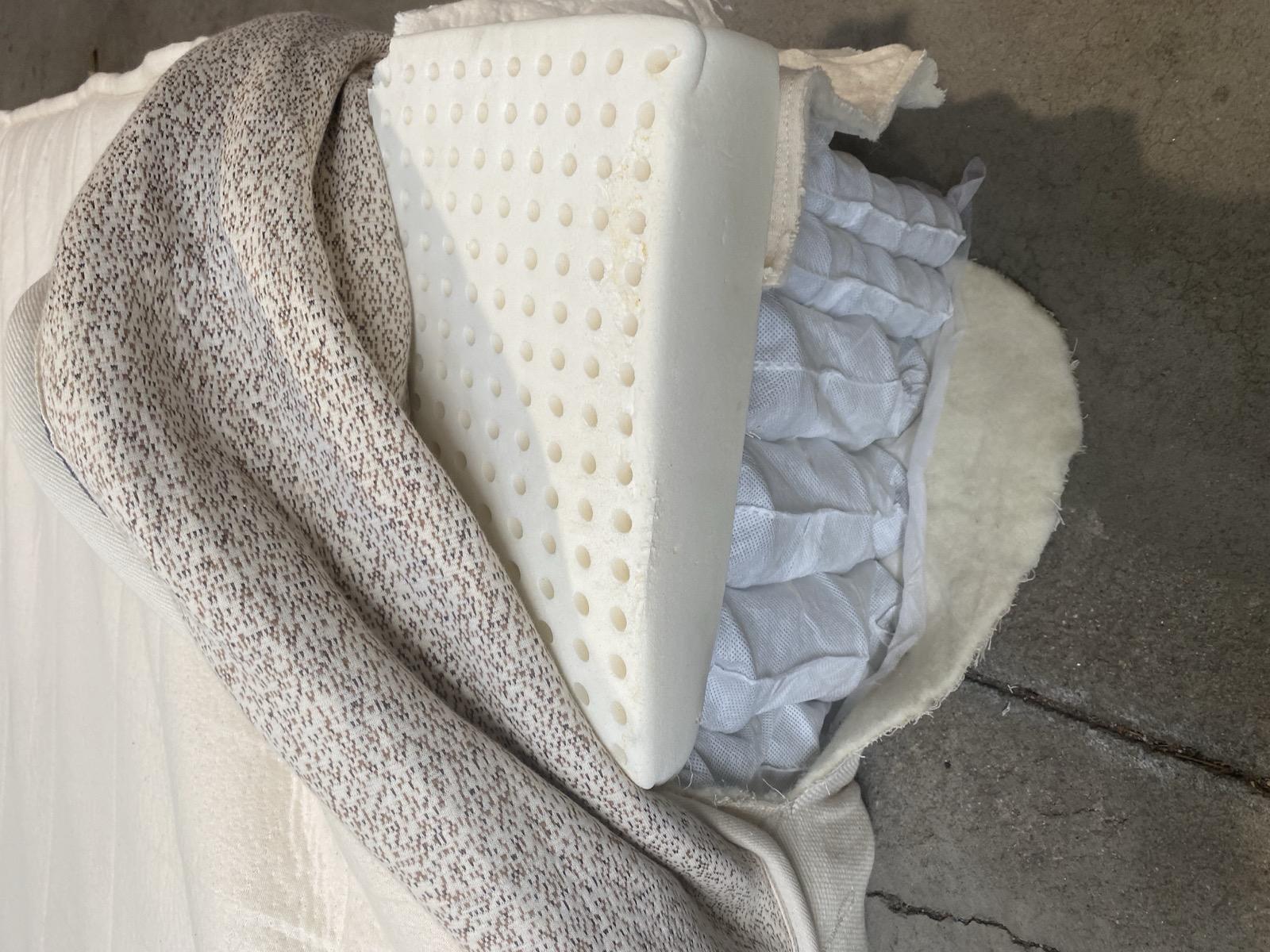
The Birch cut open, showing all the layers
Here's what's actually inside the Birch Natural:
Layer 1: Organic Cotton Cover
The outer cover is GOTS-certified organic cotton. It's soft, breathable, and naturally moisture-wicking.
Layer 2: Organic Wool
Below the cotton is a layer of organic wool. This serves multiple purposes — it adds cushioning, regulates temperature (wool is naturally temperature-regulating), and acts as a natural fire barrier. This is why Birch doesn't need fiberglass or chemical fire retardants.
Layer 3: Natural Latex
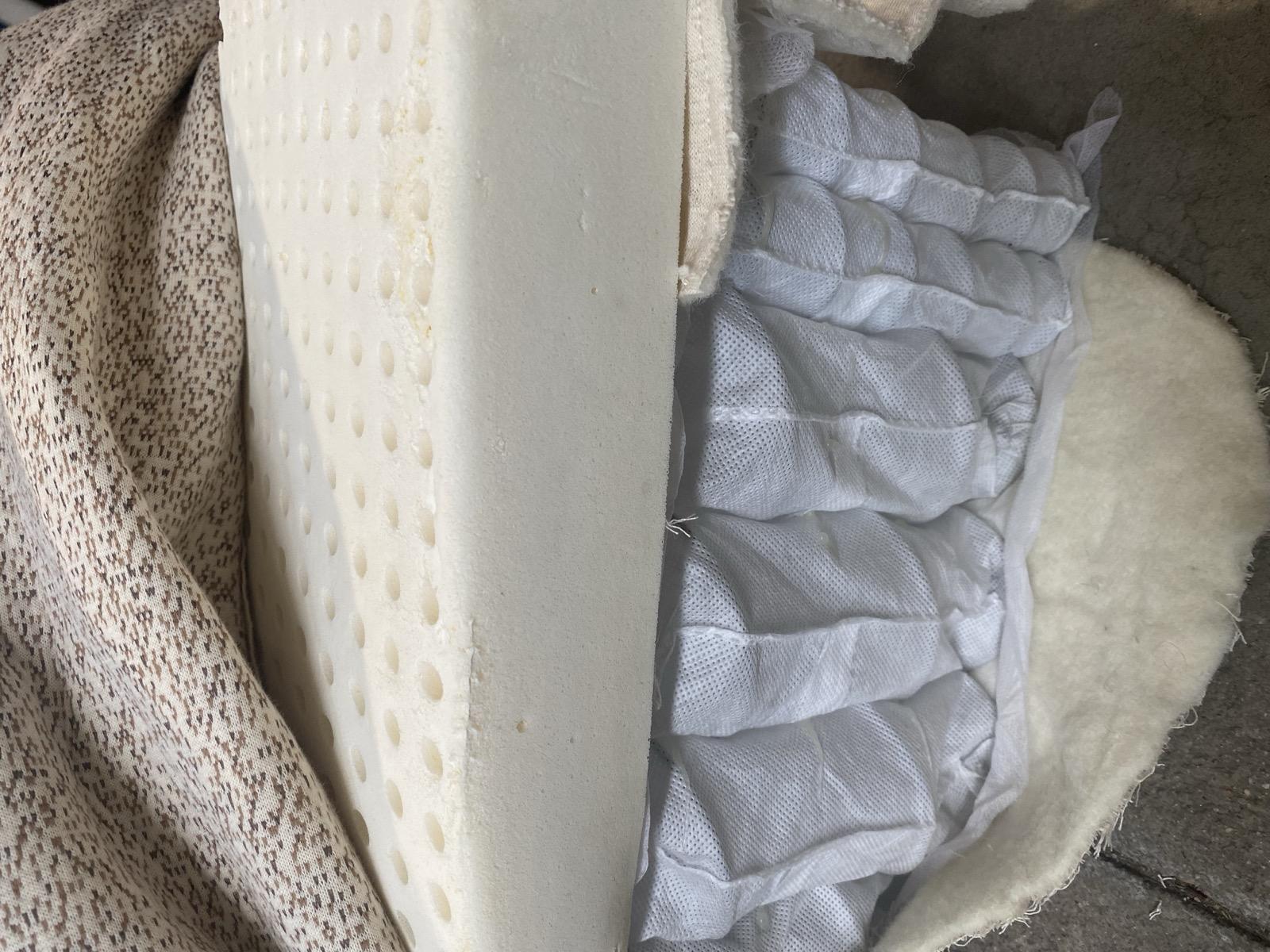
The GOLS-certified natural latex layer sitting on top of the pocketed coils
This is the comfort layer — GOLS-certified natural latex tapped from rubber trees. Natural latex is inherently bouncy, durable, and resistant to dust mites. It's the main reason latex mattresses last so long.
Layer 4: Pocketed Coil System
The Birch uses up to 1,000 individually wrapped steel coils. These move independently to cradle your body and provide support. The perimeter has reinforced coils for edge support.
Layer 5: Base Wool Layer
At the bottom is another layer of organic wool, which provides additional fire protection and supports the coil system.
The materials are real. The latex layer has that distinctive natural latex feel — bouncy, resilient, and slightly rubbery. It's not the synthetic latex or "latex-like" foam you see in cheaper mattresses. The wool layers are genuine wool, not synthetic fibers. The coil system is solid with good gauge steel. At 6 years old, the coils were showing some wear — not broken, but the springs weren't as firm as new ones I've tested. The latex was still in great shape though. This mattress is built the way they say it's built, but expect the springs to be the weak point long-term.
Fiberglass Check
Birch uses organic wool as their fire barrier, which means no fiberglass is needed. Wool is naturally flame resistant — it doesn't melt or drip like synthetic materials. This is one of the key benefits of organic mattresses — natural fire barriers instead of chemicals or fiberglass.
No Fiberglass
Birch Natural uses wool as a natural fire barrier — no fiberglass.
This is one of the big advantages of organic mattresses. They use natural fire barriers (usually wool) instead of fiberglass or chemical treatments. If you've ever dealt with a fiberglass contamination from a cheap mattress, you know how valuable this is.
Why Latex Lasts Longer
In my experience recycling mattresses, latex mattresses consistently outlast memory foam and polyfoam mattresses. Here's why:
- Natural resilience — Latex bounces back to its original shape. It doesn't develop permanent body impressions the way memory foam does.
- Density — Natural latex is denser than most foams, which means it holds up better over time.
- No heat breakdown — Memory foam softens when warm, which contributes to breakdown. Latex maintains its properties regardless of temperature.
- Antimicrobial — Natural latex is resistant to dust mites, mold, and mildew.
I've picked up latex mattresses that were 15-20 years old and still in decent shape. That's rare for any other type of mattress.
Who This Mattress Is For
Good For
- People who want genuinely organic materials
- Those concerned about chemicals/off-gassing
- Hot sleepers (latex and wool breathe well)
- Anyone who wants a long-lasting mattress
- People who prefer bounce over "hug" feel
- Back and stomach sleepers (medium-firm)
Probably Not For
- Those who love the memory foam hug
- Side sleepers who need a softer surface
- Budget shoppers (this isn't cheap)
- People with latex allergies
- Those who want a soft, plush mattress
My Take
The Birch Natural is the real deal. The certifications are legitimate, the materials are what they claim to be, and the construction is solid. This is what an organic mattress should look like.
At $1,500-2,000 for a Queen, it's significantly cheaper than traditional organic mattress brands that can run $3,000-5,000+. You're getting similar materials and certifications at a lower price because Birch sells direct-to-consumer.
The biggest thing to know is that latex feels different from memory foam. If you've only ever slept on foam mattresses, the bounce and responsiveness of latex might take some adjustment. But if you want a mattress that will actually last 10-15 years with proper care, natural latex is the way to go.
If you want an organic mattress with real certifications and you're okay with a medium-firm feel, the Birch Natural is one of the best values in the organic mattress space.
Check Current Pricing
See current prices and any available discounts on Birch's site.
View Birch Natural →